
Beyond Baseboards: Custom Trim Work in Tallahassee
8 min read
Crown molding, wainscoting, picture rail and chair rail, what each one does to a room, and how to match the profile to the home you actually own.
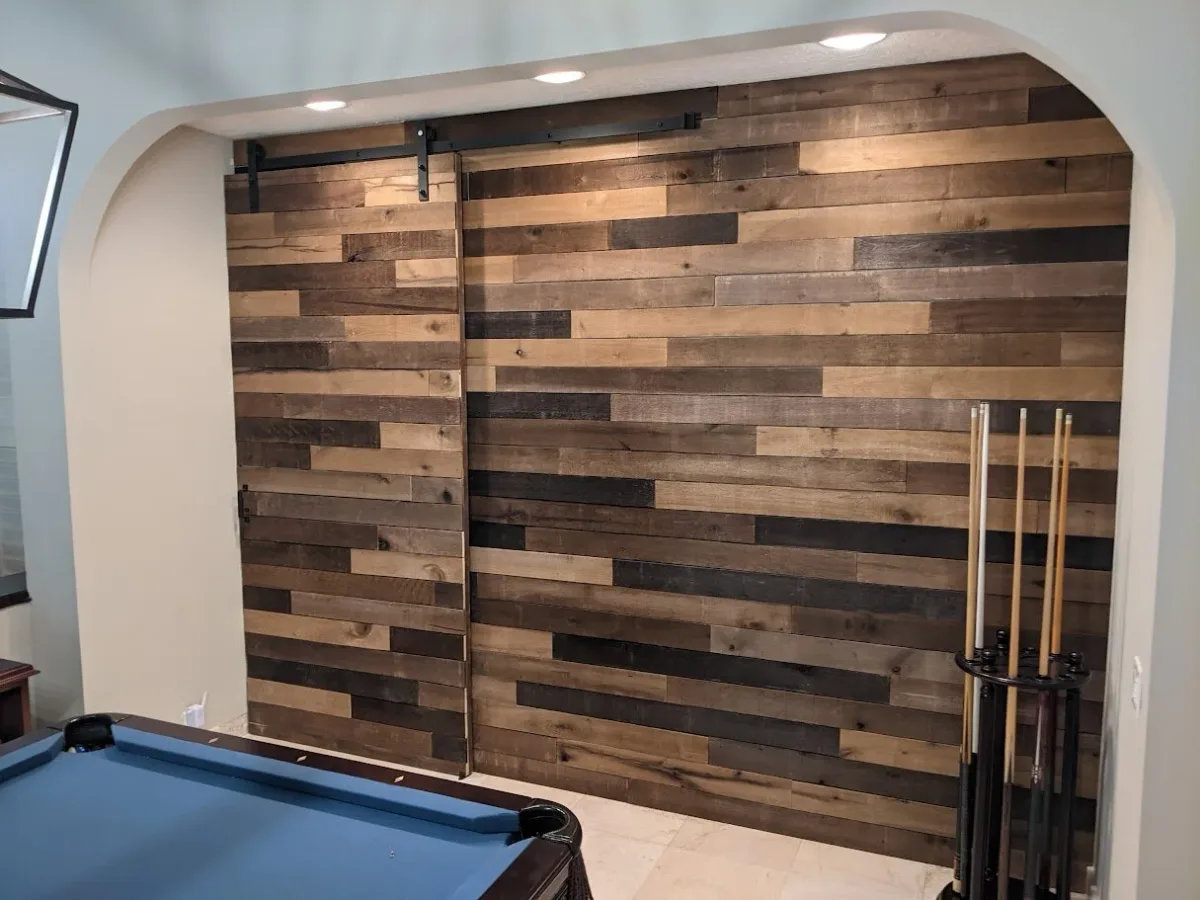
Trim is the last thing that goes into a room and one of the first things you notice in it. It is the baseboard, the casing around each door, and the clean line where the wall meets the ceiling, and it is what makes a room feel truly finished. The right trim can give a plain room character and warmth that paint and furniture alone never quite reach.
Kevin started out in rough framing, and trim is some of the work he loves. With more than 30 years in the trade, it is one of the things he is known for. That matters in Tallahassee, because the older homes here often carry trim profiles that are not always available off the shelf, and the newer ones were usually finished with thin builder-grade casing. This guide walks through the trim that makes the most difference, crown, casing, wainscoting and the rest, and how to tell which belongs in your home.
What Trim Actually Does
Trim work serves two purposes. The first is functional. Molding covers the natural gaps and transitions where walls meet ceilings, floors, and other surfaces. Without it, even a carefully built room looks unfinished.
The second purpose is where it gets interesting. Trim creates visual lines that guide the eye, adds dimension to flat surfaces, and introduces a sense of craftsmanship that no amount of paint or wallpaper can replicate. It is one of the few upgrades that changes how a room feels without changing what the room is.
The other thing about trim is its range. Whether a home leans traditional, modern farmhouse, or contemporary, there is a profile that works with the existing design rather than fighting it.
Crown Molding Installation
Crown molding sits where the walls meet the ceiling. It softens the hard angle at the top of the room and draws the eye upward, which makes a room read as taller than it measures.
Popular Crown Molding Styles
Traditional crown is what most people picture: a sweeping, curved profile that evokes classic Southern homes. It works in formal living rooms, dining rooms, and primary bedrooms. In Tallahassee’s older neighborhoods, traditional crown can put back period-appropriate character that was stripped out somewhere along the way.
Craftsman crown has cleaner lines and a more angular, stacked profile. Rather than a single curved piece, craftsman crown is often built up on site from flat stock and smaller moldings. That gives you a substantial, architectural look that suits bungalows, farmhouse-style homes, and transitional interiors.
Modern and minimal crown strips the ornament away in favor of a simple, squared-off profile. A single flat board or a subtle cove at the ceiling line adds just enough polish without competing with contemporary furnishings. It suits a newer home, where there is no older profile to work around.
What to Know Before You Install
Crown molding looks simple and is not. The compound miters, which have to account for both the wall angle and the spring angle of the molding, are where most DIY attempts come apart. Almost no home is perfectly square, and the corner that measures 90 degrees on paper rarely measures 90 degrees on the wall.
That is most of the job. An experienced carpenter reads the room first, works out which walls are out of square and by how much, and cuts to the home rather than to the theory. It is also why the same length of molding can look flawless in one pair of hands and show a gap at every corner in another.
Wainscoting Styles
Wainscoting is decorative paneling on the lower part of a wall, usually the bottom third to half. It started out practical, protecting plaster from chair backs and daily wear. Today it is about proportion and texture.
Raised Panel
The most formal and traditional style. Each panel has a beveled or contoured center that sits proud of the surrounding frame, creating shadow lines and depth. Raised panel looks its best in dining rooms, home offices, and entryways.
Flat Panel, or Shaker
Shaker wainscoting uses recessed flat panels inside simple stile-and-rail framing. The look is clean, balanced, and adaptable. It bridges traditional and modern without effort, which is why it suits so many of the homes around here.
Board and Batten
Evenly spaced vertical boards, the battens, over a flat surface. The effect is linear and rhythmic, and it changes character completely with color. Painted white it reads coastal cottage. In a darker tone it goes moody and modern. It covers a lot of wall for the material involved, which is part of why people like it.
Beadboard
Narrow, vertically grooved panels with a distinctive texture. It is a staple of cottage and farmhouse design and it earns its place in kitchens, bathrooms, mudrooms and laundry rooms, where it adds warmth to a space that would otherwise feel utilitarian.
Picture Rail and Chair Rail
Not every trim upgrade has to be a production. Picture rail and chair rail are two of the most underrated details in a carpenter’s repertoire, and they deliver a lot for a small footprint.
Picture Rail
Installed near the ceiling line, picture rail has a rounded or hooked profile designed to accept hanging hardware. You can hang and rearrange art without ever putting a nail in the wall. Beyond that, it creates a strong horizontal line that gives rooms with high ceilings some architectural interest. In an older Tallahassee home, restoring picture rail is both historically appropriate and genuinely useful.
Chair Rail
Usually set 32 to 36 inches off the floor, chair rail creates a break that lets you run different paint colors, wallpapers, or textures above and below the line. It is one of the simplest ways to add layers to a plain room. Paired with wainscoting below, it finishes the lower wall with a clean edge.
Matching Molding to the Home You Own
Choosing trim is not about picking what looked good in a magazine. It is about reading the architecture you already have and letting the trim support it.
If the home is traditional or Southern, pair a multi-piece crown build-up with raised panel wainscoting and a detailed chair rail. Choose profiles with curves, bevels and depth. In the historic districts this respects the original character instead of arguing with it.
For modern farmhouse, the combination that works is craftsman crown, shaker or board and batten wainscoting, and a simple chair rail. Keep the lines straight and the details restrained. It balances warmth against simplicity.
If the home is contemporary or minimalist, use a flat squared-off crown or a subtle cove, with board and batten or no wainscoting at all. Trim here is about clean geometry rather than ornament. A well-proportioned baseboard, minimal casing on doors and windows, and a tight crown at the ceiling is often the whole answer.
What You Get From Custom Trim
Big box stores sell pre-made molding by the linear foot, and it is tempting to think you are getting the same result for less. The real difference is not the wood, it is the fitting.
Custom trim work is measured and cut to the home. No two homes are perfectly square, and around here you are working on everything from long-settled older homes to homes built just a few years ago. A carpenter adjusts for the irregularities so that every joint closes, every line runs true, and every transition looks deliberate rather than coped over.
It also means you are not limited to what is on the shelf. Custom profiles, built-up assemblies and unusual combinations let the trim be specific to the room it is in.
Trim is also one of the smaller lines on a kitchen renovation and one of the most visible, which is why it comes up again in our guide to where the money goes in a kitchen.
Talking to Us About Trim
Trim is some of the work Kevin loves, and 30+ years in the trade is why the joints close in rooms that are not square. If you have been thinking about crown molding in the dining room, wainscoting in the entry, or a whole-home trim package, we would rather walk the rooms with you than quote it off a photograph.
The estimate is free. Kevin comes out and looks at what you have, then prices the material and the labor and sends you a detailed estimate before anything starts.
Want this done at your place?
Reading about it only gets you so far. Kevin will come out, look at the actual room, and tell you what it takes. The estimate is free.
Written for homes around here
Everything above is aimed at homes in Tallahassee and the Big Bend. The humidity, the tree canopy and the age of the housing stock all change the answer, and this is written from what we actually see on jobs rather than from a national template.
Related Services
Talk it through before you start
Kevin comes out and looks at the job with you, then sends a detailed estimate once he has priced it. Free estimate. Insured. Workmanship warranty on every project.